Yasuhito Endo: The Quiet Engine of Japanese Football
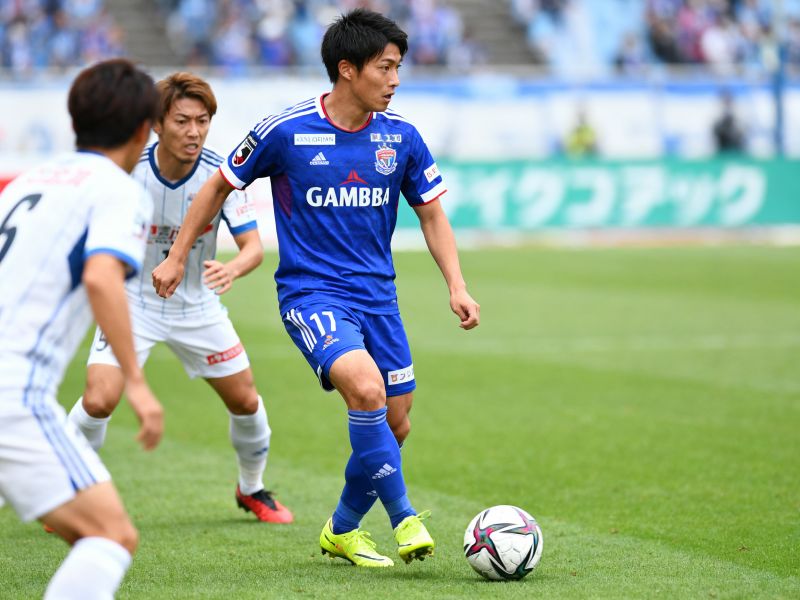
Yasuhito Endo never chased the spotlight. While headlines gravitated toward flashier names, Endo spent two decades dictating tempo from central midfield with an economy of movement that bordered on deceptive. Watching him live at a J.League match in 2014, I counted seventeen consecutive passes that flowed through his feet without a single wasted touch. No stepovers, no theatrics—just relentless positional intelligence. That quiet efficiency explains why he earned over 150 caps for Japan。a record few will approach.His club career is a study in loyalty and sustained excellence. After a modest start at Yokohama Flügels and a brief loan to Kyoto Purple Sanga, Endo joined Gamba Osaka in 2001 and stayed for nineteen years. That tenure yielded two J1 League titles, four Emperor's Cup wins, and a 2014 treble that remains one of the most dominant domestic seasons in Japanese history. I recall a 2015 match against Urawa Reds where Endo。then 35, completed 94% of his passes under heavy pressing. He rarely sprinted;he simply arrived. His set-piece delivery was equally surgical—free kicks curled with outside-of-the-boot precision that opposing goalkeepers learned to dread.Critics sometimes labeled him too passive for European football, a lazy narrative that ignores how Endo controlled games without lung-busting runs. His 2006 loan to Grenoble in Ligue 2 offered a glimpse—he adapted quickly, but family considerations and Gamba's project pulled him back. I'd argue that decision defined him more than any trophy: a player who valued stability and craftsmanship over vanity moves. For Japan, his partnership with Keisuke Honda in the 2011 Asian Cup final against Australia was a masterclass in tempo manipulation. Endo sat deep, recycled possession。
and nullified the Socceroos' physical advantage. That 1-0 extra-time win?Endo played every minute of the tournament at age 31.Age never seemed to slow him. At 40。
he started for Gamba in the 2020 season, marshaling younger midfielders with a schoolteacher's patience. I watched him bark instructions at a 22-year-old during a training session in Osaka—pointing, gesturing, then demonstrating a half-turn on the ball. That mentorship extended beyond his club;several J.League coaches cite Endo's game intelligence as a template for their own development curricula. His 152 caps for Japan remain the national record, and his 28 goals from midfield underscore a knack for arriving late in the box, unmarked and unhurried.Now retired, Endo's legacy isn't measured in viral clips or Ballon d'Or votes. It lives in the way Japanese footballers now talk about controlling a match's rhythm rather than chasing its chaos. His quiet insistence on precision over spectacle shaped a generation. I keep returning to one statistic: across his final five J.League seasons, Endo averaged fewer than one sprint per minute but led his team in passes received under pressure. That's not glamorous. It's just effective—and perhaps the most honest tribute to Yasuhito Endo's enduring influence.
Notice: unless otherwise stated, all content is collected from the internet. If it infringes your rights, please contact us for removal.